Transit Bus Systems Expert Witness (Includes Vans & Rubber-Tired Trolleys)

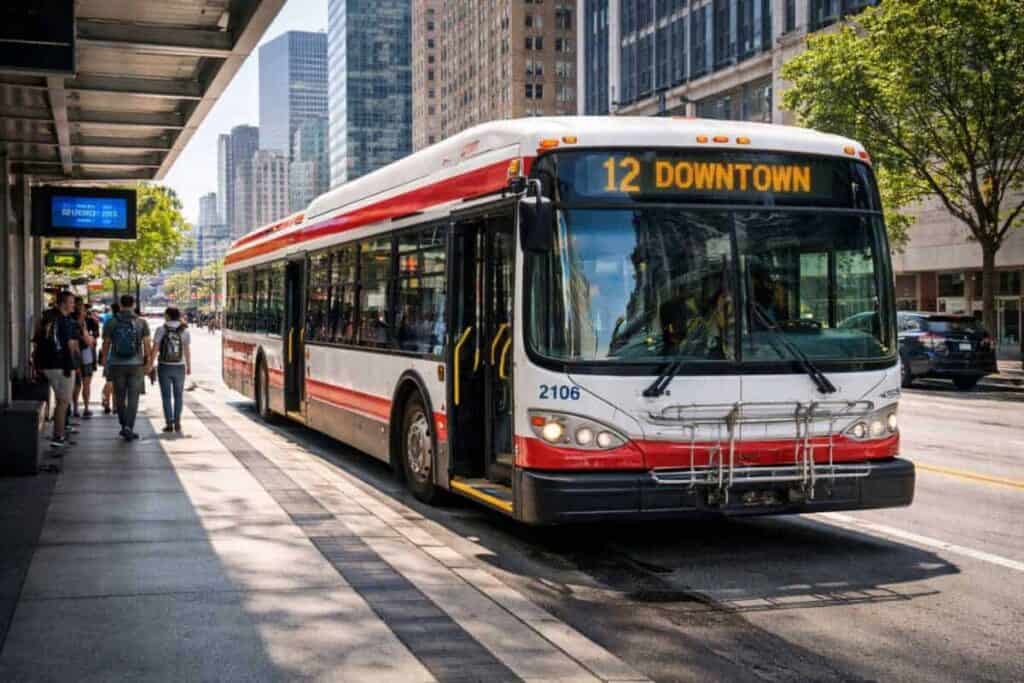
I have been working in bus systems for the majority of my professional life.
I began my career with transit buses, driving and then supervising bus fleet operations and maintenance at MetBus, a division of the Metropolitan Transit Authority in Melbourne, Victoria, Australia, one of the largest bus operations in the country with a fleet in excess of 450 buses.
I then founded and operated the London Bus Company in Bendigo and Ballarat, Victoria, running London-style double-deck buses on fixed route and charter services and developing my own Bus Safety Management Plan in compliance with the Victorian (Australian) transport regulations.
From there, I managed combined bus and tram (streetcar) operations at the Bendigo Trust, overseeing a fleet of heritage-style trams and buses.
In the United States, I have served as Interim Chief Operating Officer and Special Projects Director at the Toledo Area Regional Transit Authority in Ohio, a 130-bus fixed-route agency where I led operational strategy and assisted in recruiting permanent executive leadership.
I have also provided technical, operational, and regulatory support to the Westchester County Bee-Line Bus System in New York, a fleet of 325 buses operating across approximately 60 routes, one of the largest county bus systems in the United States, handling more than 29 million passengers annually.
More recently, I conducted a compliance assessment of the Corpus Christi Regional Transportation Authority in Texas ahead of its formal Quadrennial Performance Review, evaluating the agency’s operational and regulatory compliance with the Texas Transportation Code. The authority operates a network of fixed routes and paratransit services covering 846 square miles and handling approximately 3.2 million passenger trips annually.
That career arc, from driver and depot supervisor to bus proprietor, agency executive, and regulatory consultant, is what I bring to transit bus litigation.
Bus systems generate more passenger injury claims than any other transit mode, largely because of the volume of passenger interactions, the complexity of urban street environments, and the demanding passenger handling obligations that attach to every trip a bus operator makes.
When something goes wrong and litigation follows, the technical and operational questions require someone who has worked inside these systems at every level.
I hold a Transit Bus System Safety certification from the Transportation Safety Institute (USA) and a Certificate IV in Transport Management specializing in Bus and Coach Operations from Monash University in Melbourne (Australia).
I work with both plaintiff and defense counsel. My opinions are formed from the evidence and do not change based on who retained me.
Transit Bus Systems in Litigation
Transit bus incidents produce a wide and varied range of litigation. The cases attorneys bring to me most frequently fall into several distinct categories, each involving specific operational and technical questions that require specialist knowledge to evaluate properly.
Passenger falls during braking and acceleration events are among the most common transit bus injury claims. A sudden brake application, whether caused by a traffic hazard, operator inattention, or mechanical failure, can throw a standing passenger with serious force.
The analysis involves what triggered the braking event, whether it was necessary and proportionate, whether the operator had adequate warning, and whether the agency’s operating procedures addressed how operators should manage passenger safety during emergency maneuvers.
Bus collisions with motor vehicles and pedestrians involve questions of signal compliance, speed, sight lines, mirror check procedures, and operator response time.
Right-turn incidents, where a bus turns across a cyclist or pedestrian who was alongside the vehicle, are a specific and recurring category with their own technical and procedural analysis requirements.
Rear-end collisions and intersection collisions each raise distinct questions about operator attention, speed management, and the adequacy of training.
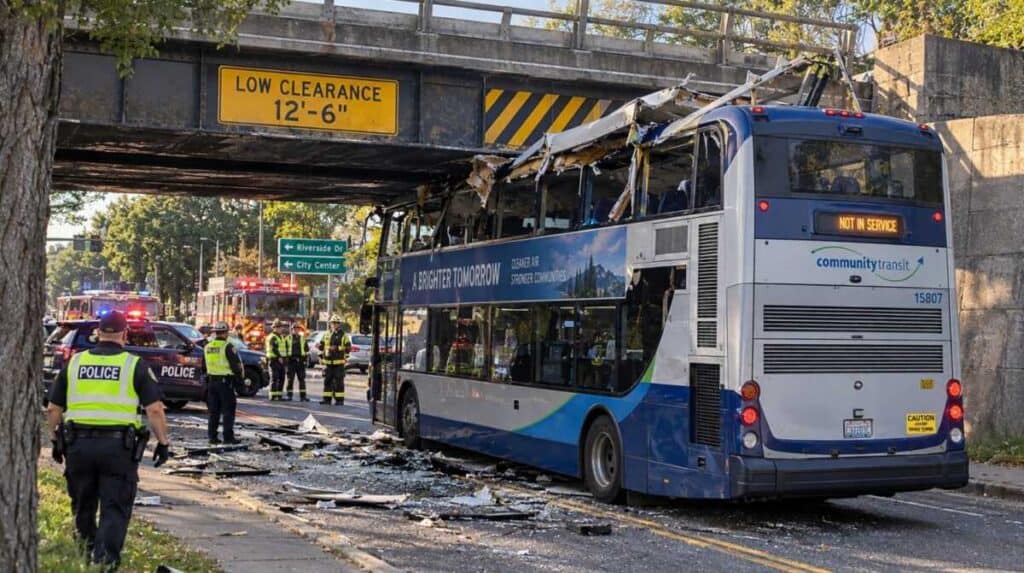
Bus collisions with low-clearance bridges and other overhead structures present a different set of operational and safety issues. These incidents can involve single-deck buses, but the increasing use of double-decker buses in the United States makes vehicle-height and route-clearance management particularly important. Investigation may include the vehicle’s actual height, posted bridge clearance, route planning and authorization, warning signs and detection systems, operator training and awareness, dispatch procedures, detours, and whether the transit agency had adequate controls to prevent an over-height vehicle from entering a restricted route. Double-decker bus bridge collisions can result in severe damage to the upper deck and potentially serious passenger injuries.
Door incidents are a consistent source of injury claims. These include passengers struck by closing doors, passengers entrapped in door mechanisms, and passengers who fall because a door closed before they had fully cleared the step or boarding area.
Door sensing systems vary across vehicle generations and manufacturers, and their maintenance histories are critical evidence.
Boarding and alighting accidents at the curb include falls on steps, falls on worn or wet interior flooring, and incidents involving the gap between the bus floor and the kerb on vehicles that use a kneeling function, meaning the ability to lower the front of the bus to reduce the step height for elderly or mobility-impaired passengers.
Wheelchair securement failures, lift and ramp incidents, and ADA accessibility failures are addressed in depth in the paratransit section below.
Standing passenger ejection incidents, where sudden deceleration or an abrupt maneuver throws a standing passenger forward or sideways, are among the most serious and most frequently litigated bus injury categories.
Operator error and rule violation cases, roadway interaction incidents in bus lanes and transit centers, and cases involving passengers assaulted or injured due to inadequate security protocols are all within the scope of my practice.
Each of these case types involves operational and technical questions that go well beyond a general knowledge of bus transportation. That is why specialist expert analysis matters.
Passenger Safety and the Duty of Care in Bus Operations
Transit bus operators are common carriers under the law. That means they owe a heightened duty of care to their passengers, a standard that goes beyond ordinary reasonable care and requires the highest degree of care consistent with the practical operation of the vehicle.
Understanding what that means operationally is central to the standard of care analysis in bus litigation.
The duty of care does not begin when the bus starts moving.
It begins when a passenger starts to board. It runs through the entire journey and does not end until the passenger has safely alighted and cleared the vehicle.
That means the operator’s obligations include operating the doors, announcing stops, kneeling the bus where required, deploying the ramp or lift for passengers who need it, ensuring wheelchair passengers are properly secured before moving, and confirming that passengers are seated or holding on before pulling away from a stop.
These are not informal courtesies. They are documented operational obligations contained in the agency’s own operating rules and training materials, and they are the baseline against which operator conduct is measured in litigation.
When an operator fails to meet one of those obligations and a passenger is injured as a result, the gap between what the agency’s own rules required and what the record shows actually happened is where the liability analysis begins.
I have managed bus operations and written operating procedures at every level from depot supervision to agency executive leadership.
When I review an agency’s operating rules and training materials in a litigation matter, I am reading documents I have spent a career writing and enforcing.
That perspective is not something that can be replicated from a desk.
ADA Paratransit and Demand Response Services
The Americans with Disabilities Act requires transit agencies operating fixed-route systems to provide complementary paratransit service to individuals whose disability prevents them from using the fixed-route system, even where that system is fully accessible.
Eligibility is based on the individual’s functional ability to use the service, not simply on whether the buses have ramps or low floors. A passenger who cannot independently navigate to a bus stop, board an accessible vehicle, or ride without assistance may qualify for complementary paratransit service regardless of the accessibility features of the fixed route fleet.
These services are governed by 49 CFR Part 37 and must be provided within three-quarters of a mile of fixed routes, at the same hours and days of service, for no more than twice the regular fixed route fare.
Paratransit and demand response operations generate a specific category of litigation that is distinct from fixed route bus cases.
The vehicles are smaller, typically vans or cutaway buses; the passenger population is more vulnerable; and the operator-assistance obligations are significantly more demanding.
Operators are required to provide origin-to-destination assistance, meaning they may be obligated to assist a passenger from their front door to their seat and from their seat to their destination entrance, not simply from the vehicle door.
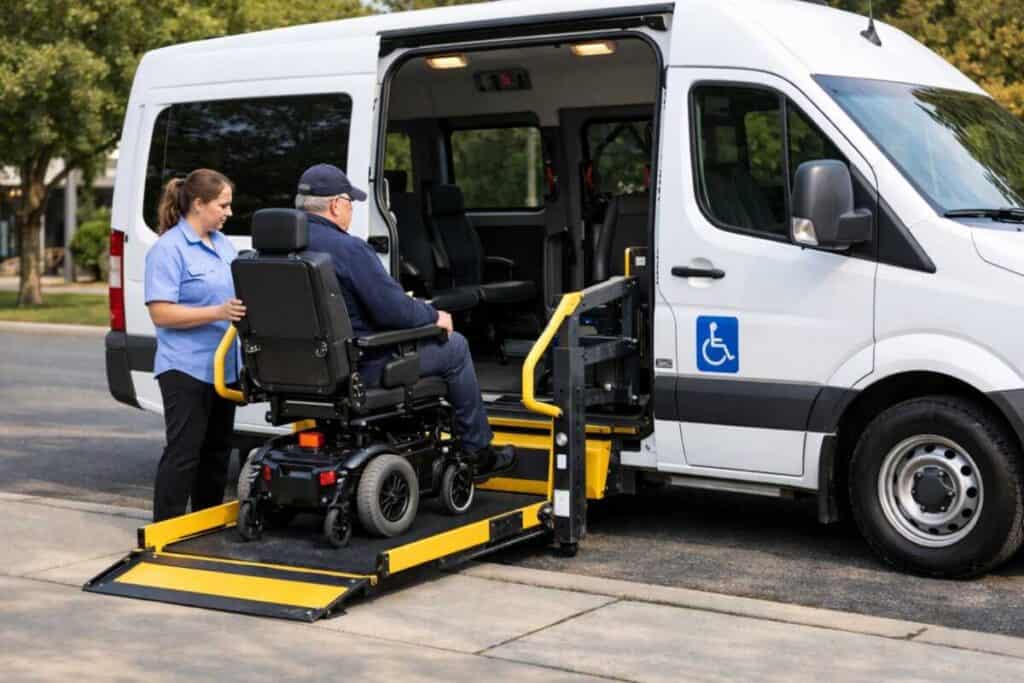
Wheelchair securement failures are a serious and recurring source of injury in paratransit litigation.
A wheelchair must be secured using a four-point tie-down system, meaning straps attached at four points on the wheelchair frame, and the passenger must be provided with a lap and shoulder belt.
When a vehicle stops suddenly or is involved in a collision, an improperly secured wheelchair can become a projectile inside the vehicle.
I examine the securement equipment, the agency’s training requirements for its use, and whether the operator followed those requirements at the time of the incident.
Lift and ramp operations, including mechanical failures, operator technique, and the adequacy of training on lift and ramp procedures, are a further source of paratransit injury claims.
Demand response scheduling pressure, meaning the pressure on operators to maintain tight pickup and drop-off windows across multiple bookings, can compromise the time operators take on passenger assistance and securement.
That scheduling structure and its operational consequences are part of what I examine in paratransit cases.
Rubber Tired Trolley and Specialty Bus Operations
Rubber tired trolleys are buses styled to resemble historic streetcars, typically operated in tourist districts, downtown circulator routes, and heritage attraction environments.
They are motor vehicles operating under bus regulations, not rail transit regulations, but their appearance and operating environment can lead passengers to assume characteristics that do not match their actual vehicle characteristics.
Passengers boarding a vehicle that looks like a historic trolley may not expect the acceleration and braking characteristics of a heavy bus.
Standing passengers on open sided or partially open rubber tired trolleys face specific hazards that enclosed fixed route buses do not present.
The standard of care analysis in rubber tired trolley cases requires understanding which regulatory framework applies, what the agency has adopted as its own operating standards, and whether the vehicle’s design and operation adequately addressed the foreseeable risks of that specific operating environment.
Airport ground transportation buses, shuttle operations, and privately contracted bus services present related issues.
These vehicles frequently operate under different regulatory frameworks than public transit buses, and the applicable standard-of-care analysis requires identifying precisely which obligations governed the operator and the vehicle at the time of the incident.
That determination is not always straightforward, and getting it wrong at the outset of a case can have significant consequences for the litigation strategy.
Common Causes of Transit Bus Accidents
Understanding what happened in a bus incident is the starting point. Understanding why it happened, and whether it could and should have been prevented, is where the standard of care analysis becomes the central issue for litigation.
Inadequate operator training and supervision is the most frequently recurring cause across all categories of bus litigation.
Operators who have not been properly trained on door procedures, passenger assistance requirements, emergency braking protocols, or defensive driving techniques are operating a heavy vehicle in a complex environment without the knowledge their agency was obligated to provide.
Failure to complete required recertification training and agency failures to track and enforce recertification are specific and documentable failures that appear regularly in the maintenance and training records I review.
Schedule pressure is a cause that attorneys often overlook but that I examine in every bus case. Transit agencies measure on time performance and operators know it.
The pressure to maintain schedule can lead operators to accelerate too quickly from stops, brake more sharply than necessary to make time, skip mirror checks before pulling away, and rush passenger boarding and alighting procedures.
That pressure is built into the operational structure of many agencies, and where it contributed to an incident, it is relevant to both liability and damages analysis.
Pre trip inspection failures are a direct line from agency procedure to vehicle condition to passenger injury. Every transit bus operator is required to conduct a documented pre trip inspection before taking a vehicle into revenue service.
When a mechanical defect that should have been identified in a pre-trip inspection contributed to an incident, the inspection record, or its absence, is critical evidence.
Maintenance deficiencies and deferred repairs, including brake wear, suspension problems, door mechanism failures, and worn flooring, follow the same analytical path.
Driver distraction, fatigue from split shift operations, inadequate rest periods, and personal electronic device use are human factors causes that I evaluate through a combination of event data, operator records, and scheduling documentation.
Agency safety program failures, meaning the organizational breakdown of the systems an agency committed to maintaining in order to identify and manage known risks, are the systemic cause that often connects individual failures to broader liability.
Technical Evidence Examined in Bus Accident Cases
Bus accident cases are evidence-intensive, and the specific categories of evidence available on modern transit buses go well beyond what many attorneys initially request.
Knowing what exists, knowing what to ask for, and recognizing when something that should exist has not been produced are significant parts of what I provide at the discovery stage.
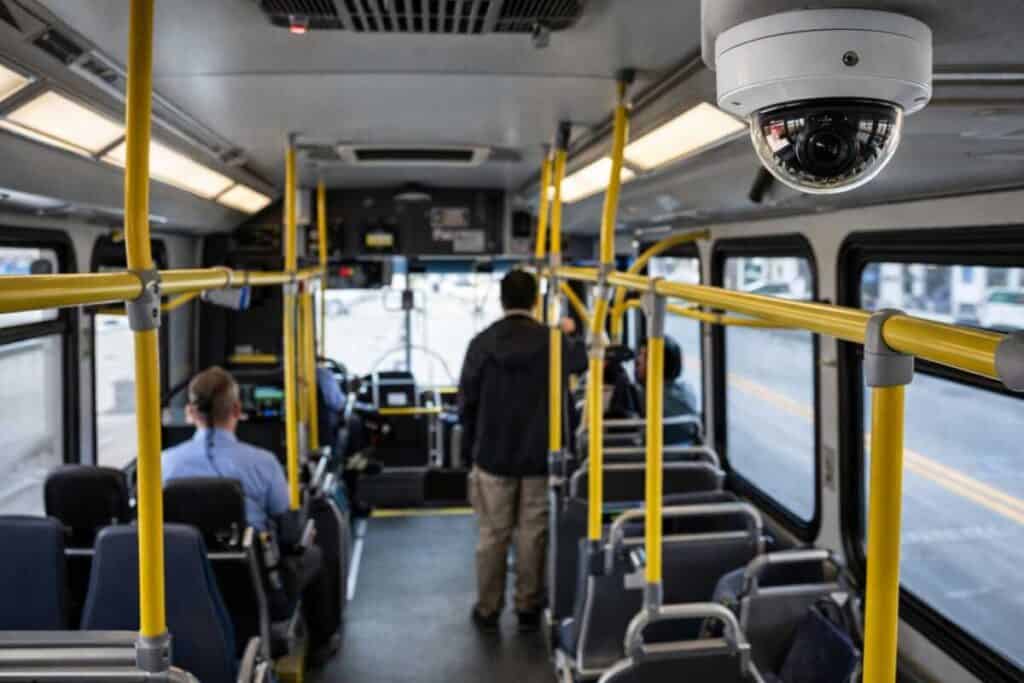
Onboard camera footage is the starting point in almost every bus case. Most modern transit buses carry multiple cameras covering the forward view, the driver cab area, the front door, the rear door, and the interior passenger area.
I carefully review all available footage for what it shows and what it does not, and I assess whether proper preservation steps were taken immediately after the incident. Camera systems that were not functioning, recordings that were overwritten before preservation was requested, and gaps in the footage record are themselves significant evidence.
Event data and vehicle telemetry records log speed, brake application, door operations, acceleration, and other vehicle functions throughout every trip.
These records provide an objective account of vehicle behavior that can confirm or directly contradict witness accounts. GPS and Automatic
Vehicle Location data, meaning the system that tracks exactly where the bus was and how fast it was travelling at every moment of its route, is a category of evidence that is sometimes overlooked in discovery requests but can be decisive in collision and sudden-braking cases.
Automatic passenger counter data records how many passengers boarded and alighted at each stop. In cases involving standing passenger injuries, this data can establish how many people were on the bus and whether the vehicle was operating beyond comfortable standing capacity at the time of the incident. Farebox records provide a further cross reference for passenger load.
Operator training and certification records, including any prior incidents, complaints, or performance concerns documented in the operator’s file, are standard subjects of review.
Pre trip inspection logs establish whether required mechanical checks were completed. Maintenance and inspection records tell me whether known defects were identified and addressed.
Dispatch and scheduling records, including radio communications, reveal what supervisors knew and when. Prior incident reports involving the same operator, vehicle, route, or stop location are among the most significant evidence in bus litigation.
A documented pattern of prior incidents the agency was aware of and did not adequately address is frequently central to both liability and damages analysis.
Transit Bus Safety Standards and Operating Rules
Transit bus systems operate under layered safety obligations and understanding those layers is essential to building a standard of care argument in bus litigation.
Federal Transit Administration oversight establishes minimum requirements for system safety planning, hazard management, and incident investigation.
Transit agencies receiving FTA funding and operating under State Safety Oversight requirements must maintain a Public Transportation Agency Safety Plan, the agency’s formal written commitment to how it identifies and manages safety risks across its operations.
That document is one of the first things I request in any bus litigation matter. It defines what the agency is committed to doing and provides the baseline against which its actual practices are measured.
The Americans with Disabilities Act, implemented through 49 CFR Part 37 and Part 38, establishes specific and enforceable equipment and service requirements for accessible transit operations. These are not general guidance documents.
They are federal regulations with defined compliance obligations, and departures from them in cases involving wheelchair securement, lift operations, and paratransit service delivery are documentable and directly relevant to liability analysis.
For certain bus operations including contracted paratransit services, charter operations, and privately operated shuttle and rubber tired trolley services, Federal Motor Carrier Safety Administration requirements may also apply. Identifying which regulatory framework governed the specific operation at the time of the incident is a threshold question in many bus cases and one that requires operational knowledge to answer correctly.
APTA publishes standards and recommended practices for bus transit operations that provide a further reference for accepted industry practice.
When an agency has adopted APTA standards or referenced them in its own procedures, those documents become directly relevant to the standard of care analysis, regardless of whether any regulator required their adoption.
The agency’s own operating rules and training materials remain the most direct source of the standard of care in most bus litigation, because they define precisely what that agency required of its operators and maintenance personnel at the time of the incident.
My Role as a Transit Bus Expert Witness
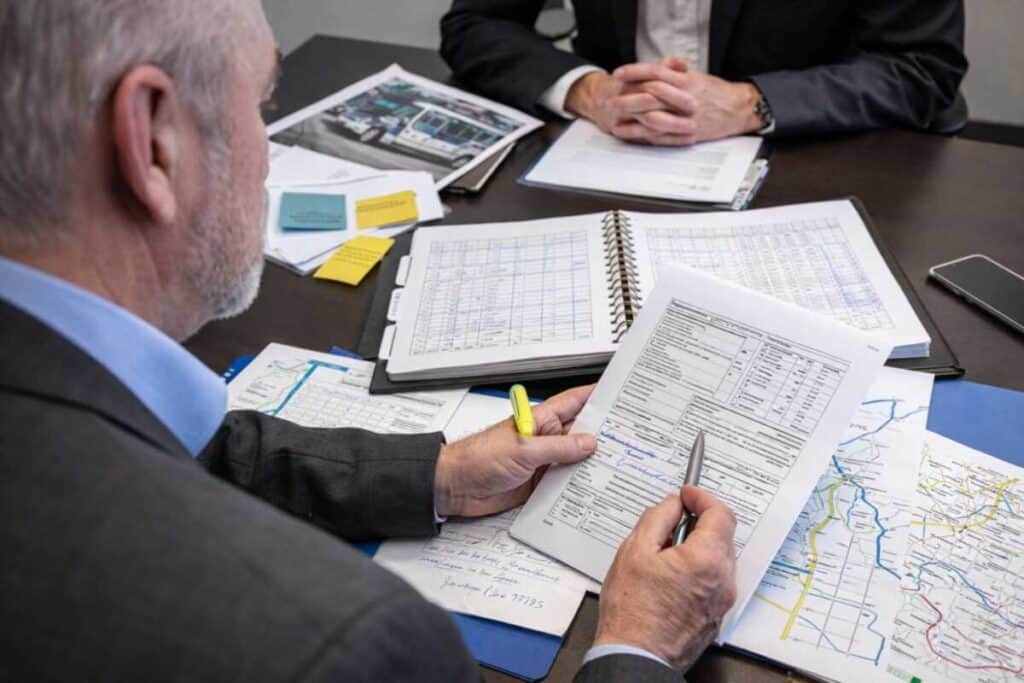
Engagement begins with an initial case review. I evaluate the incident description and the available records to form an early assessment of the technical and operational issues likely to matter in the case.
In bus matters that early assessment is particularly valuable because the records most important to the analysis, including GPS data, automatic passenger counter records, and onboard camera footage from multiple cameras, are not always the ones produced first, and some of them have retention periods that make early preservation requests essential.
As the case develops I conduct detailed analysis of maintenance records, operating rules, training documentation, event data, vehicle telemetry, and camera footage.
Where the physical environment of a bus stop, a boarding location, a collision site, or a paratransit pickup point is material to the case, I may conduct site inspections.
I know what I am looking at. I have managed bus operations at the depot, agency, and regulatory compliance levels, and a site inspection is not an abstract review of an unfamiliar environment.
Expert reports are prepared to meet applicable court requirements and written to withstand rigorous cross examination.
I write to explain the operational and technical evidence clearly and accurately, not to advocate for a result.
Rebuttal reports address the opinions of opposing experts, identifying methodological weaknesses and conclusions inconsistent with the operational record and the applicable standards.
I provide deposition support, prepare counsel on the subject matter, and give expert testimony at deposition and trial.
I have worked in bus systems on two continents across four decades. I owned and operated buses. I managed depots. I ran a 130 bus agency as its interim chief operating officer. I have written the operating procedures and safety management plans that agencies use to govern their operations.
When I form an opinion about whether an agency met its obligations to its passengers, that opinion comes from someone who has lived those obligations from the inside.
My opinions always follow the evidence. They do not change based on who retained me.
Related Transit Expert Witness Services
This page addresses transit bus litigation specifically, covering fixed route bus systems, paratransit and demand response operations, and rubber tired trolley and specialty bus services.
For transit litigation involving other modes, I maintain dedicated pages covering the technical and operational issues particular to each system type.
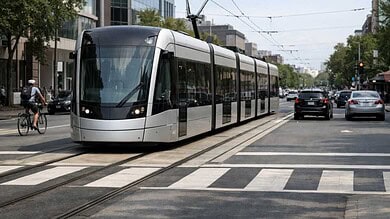
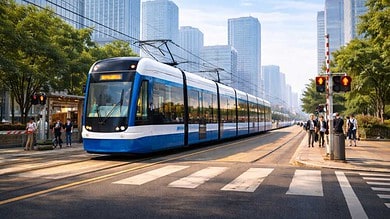
The Light Rail Systems Expert Witness article addresses light rail, streetcar, and trolley litigation including grade crossing incidents, flangeway cases, platform interface claims, and the regulatory and operational standards specific to fixed guideway rail systems.
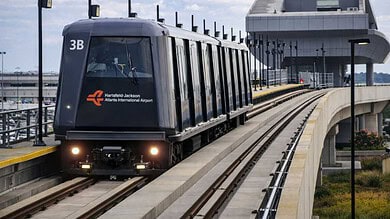
The Automated People Mover Expert Witness article covers airport APM and plane train litigation including the specialized regulatory framework and engineering standards that apply to those systems.
The Transit Systems Expert Witness article serves as the broader hub for all transit litigation matters across fixed guideway and rubber-tired modes.
Cases involving multiple transit modes or where the classification of the system or vehicle is itself in dispute are addressed through the full scope of my transit systems experience.
Contact and Case Review
Transit bus litigation is operationally complex and the records that matter most are not always the ones that are produced without a specific and informed request.
If you are evaluating expert retention for a transit bus, paratransit, or specialty bus matter, I welcome an initial conversation about the technical and operational issues in your case.
Early expert review assists with case evaluation, discovery planning, and identification of the evidence that needs to be preserved before retention periods expire.
All initial consultations are confidential. Contact National Transit Services, LLC to discuss your case.