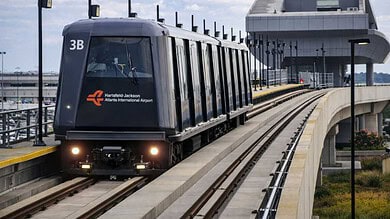
Automated People Mover Expert Witness Helps Attorneys Win Accident Cases


Automated People Mover Expert Witness
Automated People Movers (APMs), often called “plane trains,” are part of everyday airport life. They shuttle tens of millions of passengers annually between concourses, terminals, and parking areas. These systems run almost nonstop at airports like Atlanta, Orlando, Denver, and Miami.
But when a malfunction occurs, a door closes on a passenger, a sudden stop throws people off balance, or an accessibility feature fails, the outcome can be more than an inconvenience. Injuries happen. Lawsuits follow.
For attorneys, these cases present a serious challenge. Unlike auto accidents or airline disputes, an APM case involves a highly specialized, automated system with standards few attorneys (or most engineers) understand. To succeed, you need more than evidence; you need an expert witness who can explain why the system failed and how that failure ties to standards of care.
This isn’t just helpful; it’s essential. Here’s why.
Read more on APM or Plane Trains
Attorneys handling APM injury claims also benefit from understanding the broader framework behind these systems. In The APM System: How Airport Plane Trains Are Regulated and Certified, you’ll see how technical standards form the foundation of safety.
For a plain-language overview, Airport Plane Trains: Definition, Safety and Legal Explanations breaks down how passengers experience these systems. And if your case involves broader transit modes, Understanding the Role of a Light Rail Expert Witness shows how fixed-guideway expertise extends beyond airports.
Leveling the Playing Field Against Airports and Contractors
Airports and their contractors never walk into court without support. They come armed with seasoned engineers, system designers, and consultants who live and breathe these systems. They will present technical arguments designed to minimize liability and frame the accident as unavoidable.
Without your own expert witness, you walk into that environment outmatched.
An APM expert allows you to meet the defense on equal ground. They can review the same data, challenge the opposing experts, and bring independent analysis that shows the court you are not only prepared but credible.
Attorney takeaway: An expert witness ensures you’re not outgunned. They balance the courtroom and give the judge and jury confidence in your case.
Building a Stronger Liability Case
Every accident case boils down to one question: who is responsible? In APM litigation, the answer is tied to compliance with specific safety standards.
- ASCE 21 governs automated people mover design and operation.
- NFPA 130 establishes fire and life safety requirements.
- ADA regulations ensure accessibility for passengers with disabilities.
These standards form the backbone of liability arguments. But they’re complex, technical, and unfamiliar to most attorneys.
An expert makes them usable. They can show, for example, that a braking system didn’t meet ASCE performance requirements, or that a station failed to comply with ADA boarding rules. They turn vague negligence claims into specific violations that juries can easily understand.
Attorney takeaway: An expert bridges the gap between technical standards and legal liability. Instead of arguing “the train was unsafe,” you prove it failed to meet required obligations.
Guiding Discovery and Depositions
Discovery in an APM case is not straightforward. Important evidence is buried in maintenance records, control system logs, operator training manuals, or even internal contractor memos. If you don’t know what to ask for, you may never see it.
An expert knows what matters. They can tell you:
- Which logs and documents should exist.
- What data to request from automated control systems.
- Which maintenance intervals to verify against standards.
In depositions, they help craft questions that expose weaknesses in training, maintenance, or oversight. Instead of relying on guesswork, you walk in with focused, informed questions.
Attorney takeaway: With expert guidance, you avoid blind spots. You request the right records, ask sharper questions, and keep the defense from hiding behind technical complexity.

Translating Complexity for Judge and Jury
APMs are automated guideway systems with sophisticated control logic. To most jurors, they sound abstract and confusing.
If the jury doesn’t understand the system, they can’t connect with your argument.
A skilled expert witness fixes this problem. They take the technical jargon out and explain the system in plain English.
They might describe how sensors control spacing, why sudden stops happen, how doors are supposed to detect passengers before closing, or why the braking rates used in live operations can throw passengers to the floor. They paint a picture of what went wrong and why it should have been prevented.
Attorney takeaway: Jurors don’t need a crash course in engineering. They need a story they can follow. The right expert turns complexity into clarity, making your argument persuasive and memorable.
Strengthening Settlement Negotiations
Many APM accident cases settle before trial. However, the strength of your settlement often depends on the weight of your expert’s findings.
When the defense sees a credible expert report detailing standards violations and preventable safety lapses, they know your case will hold up in court. This shifts leverage. Instead of pushing you toward a lowball settlement, they’re more likely to negotiate seriously and on your terms.
Attorney takeaway: A credible expert adds value at the negotiation table. They can increase the likelihood of settlement and raise your client’s compensation.
Avoiding the Wrong Expert — and Why Scarcity Matters
Here’s the hidden challenge: finding the right expert is not easy.
Most “rail experts” in the witness pool come from freight railroads or heavy commuter rail backgrounds. Their experience is real, but it doesn’t translate well to airport APM systems.
These systems are closer to a fixed guideway or guided transit operation, such as light rail. But even in that comparison, airport people movers stand apart. The unique infrastructure, the intense passenger loadings, the automation, and the different governing standards make them a category of their own.
Hiring the wrong type of expert can be damaging. When asked about automated guideway standards, a freight rail expert may falter under cross-examination. Once credibility is lost, the entire case suffers.
What separates a qualified APM expert from the rest is direct, senior-level experience with these systems, not just familiarity with rail transit generally. That means hands-on involvement in APM operations, safety management, and standards compliance at major airport installations.
Our principal brings over 41 years of transit experience including direct operational and safety assessment work on one of the world’s busiest airport automated people mover systems, as well as active expert witness experience on APM-specific cases. That combination is rare, and it matters in court.
Attorney takeaway: True APM experts are scarce. Selecting the right one is critical because the wrong expert can undermine your case, and the right one can make it.
Winning the Case With Expert Testimony
When an APM case reaches trial, testimony often makes the difference. Judges and jurors rely on experts to cut through the technical fog and explain what really happened.
A credible expert not only presents facts but also builds trust. They come across as independent, professional, and authoritative. Their explanation of how a system failed reinforces your client’s story and supports your liability arguments.
Attorney takeaway: The right expert doesn’t just strengthen your case, they make it winnable.
Why Winning Starts With the Right Expert
Airport people mover cases are not ordinary injury claims. They involve specialized systems, overlapping standards, and multiple potential defendants. Attorneys who try to tackle them without expert support risk being outmatched, outmaneuvered, and out-argued.
The solution is simple: bring in the right expert witness early.
An APM expert helps you uncover evidence, connect it to standards, shape discovery, guide depositions, clarify complex issues, and persuade judges and juries. They also give you leverage in settlement negotiations and credibility in a trial.
Don’t leave the case to chance if your client was injured in an airport plane train accident. An expert witness isn’t a luxury, it’s essential to winning.
Frequently Asked Questions About Automated People Mover Expert Witnesses
How can an expert witness help prove liability in an APM accident?
An expert ties the facts of the incident directly to industry standards like ASCE 21, NFPA 130, and ADA rules. They explain exactly which obligations were missed and how that failure caused the injury. This turns a negligence claim from speculation into provable evidence that can withstand cross-examination.
How does an expert witness strengthen the discovery process?
Experts know what records should exist: maintenance logs, control system data, operator training files, safety certifications, and more. They guide attorneys in drafting precise discovery requests and shape deposition questions to expose weak points in the defense’s case.
Why is expert testimony so persuasive for judges and juries?
Most jurors have never heard of an automated people mover. A qualified expert translates the complexity into plain language, using relatable examples. This gives jurors a clear understanding of what failed and why it matters, making the attorney’s argument persuasive and memorable.
Can an expert witness influence settlement outcomes?
Yes. A strong expert report demonstrating clear standards violations gives attorneys leverage in negotiations. Defense teams know that credible testimony raises trial risk, often leading to earlier and more favorable settlements for injured clients.
Why are true automated people mover experts so rare?
Most available “rail experts” come from freight railroads or heavy commuter rail. Airport automated people movers, by contrast, are automated, airport-specific fixed guideway systems. They share some similarities with guided transit operations like light rail and streetcars.
The automation, unique infrastructure, high passenger volumes, and distinct safety and certification standards make APMs their own category. Very few professionals have relevant, deep fixed guideway experience, which makes choosing the right expert critical.
What specific ways can an Automated People Mover Expert Witness help an attorney win?
- Prove liability with reference to standards.
- Guide discovery and deposition strategy.
- Translate technical failures into plain English.
- Increase credibility in court.
- Strengthen settlement negotiations.
- Prevent the use of the wrong kind of “rail expert.”
- Provide trusted testimony that convinces judges and juries.